
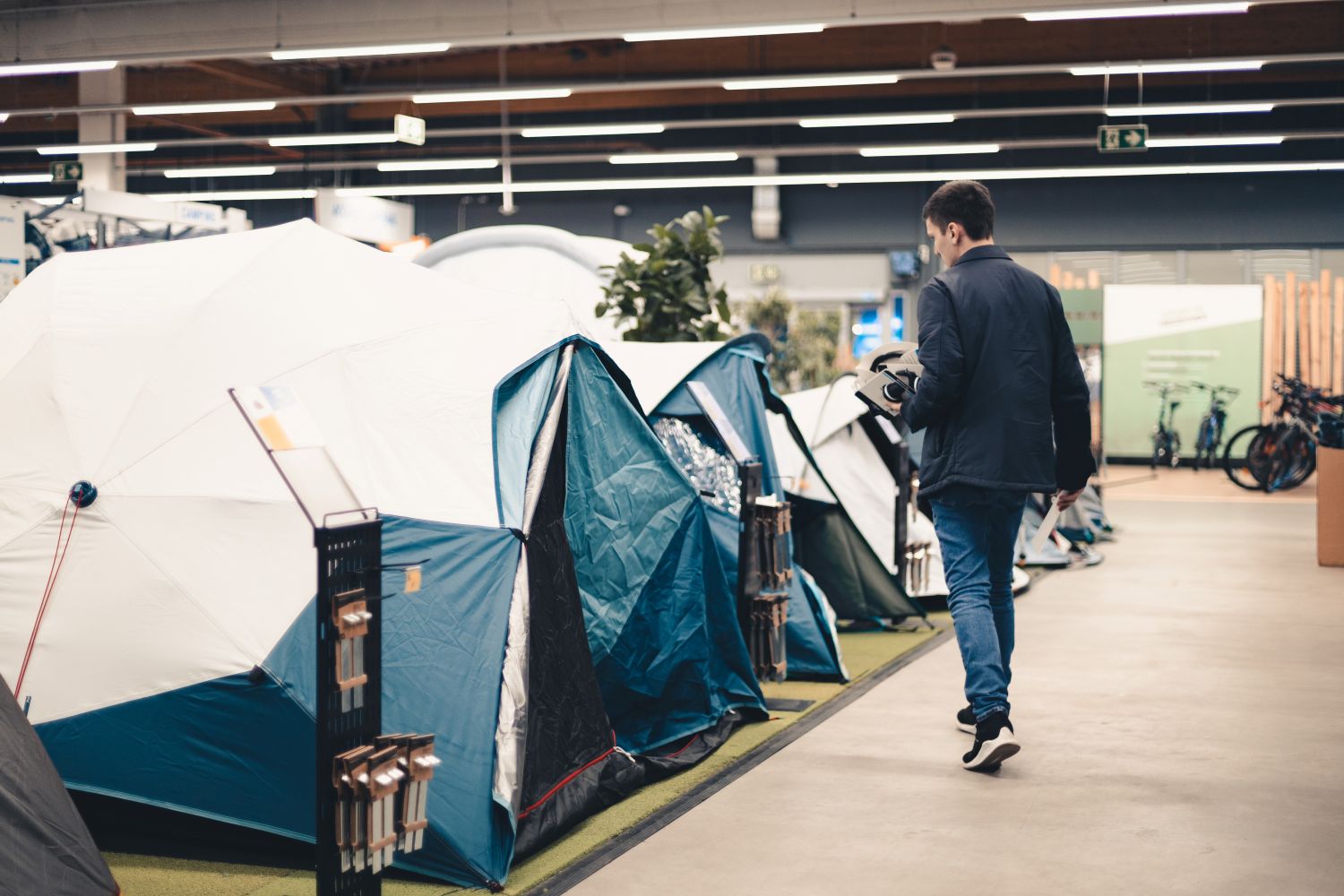
Selecting the right tent can make or break your outdoor experience, yet the choices can be overwhelming. With an array of types, features, and price points, understanding how to balance cost and quality is essential for any outdoor enthusiast. This guide will explore various tent types, key features to consider, budgeting strategies, and where to find the best deals. Equip yourself with the knowledge needed to make an informed decision and ensure memorable adventures under the stars.
Importance of Choosing the Right Tent
Selecting the appropriate tent can significantly enhance the outdoor experience, influencing factors such as comfort and safety during unpredictable weather conditions.
When choosing a tent, it is essential to consider three critical elements: weather conditions, size, and durability.
- A four-season tent is optimal for unpredictable weather, as it is designed to withstand harsh winds and heavy rainfall.
- Conversely, a family-sized tent provides ample space but tends to be heavier, which may render it less suitable for hiking expeditions.
It is advisable to seek materials such as ripstop nylon for durability, as these can endure multiple seasons of use.
Reputable brands like REI and Coleman offer reliable options across a range of price points, ensuring that individuals can find a tent that meets both their requirements and budget.
Understanding Tent Types
Acquainting oneself with the various types of tents is essential for selecting the most suitable option that aligns with one’s camping needs and preferences.
Dome Tents
Dome tents are favored for their stability and ease of setup, making them suitable for both novice and experienced campers.
Among the leading options is the REI Co-op Half Dome, priced at $299, which is recognized for its ideal combination of portability and comfort, offering a spacious interior that accommodates two individuals.
Another commendable choice is the MSR Hubba Hubba NX, available at $499, which is distinguished by its lightweight design and durability, making it particularly suitable for backpackers.
For those with budgetary constraints, the Coleman Sundome, priced at $80, presents a cost-effective solution, providing dependable weather resistance and straightforward setup.
When selecting a dome tent, it is essential to prioritize features such as vestibule space for gear storage and sufficient waterproofing to enhance the overall camping experience.
Backpacking Tents
Backpacking tents are specifically designed to prioritize weight and compactness, catering to hikers and individuals embarking on multi-day camping trips where portability is essential. Typically weighing between 2 to 4 pounds, these tents often incorporate user-friendly setup mechanisms, such as color-coded poles and quick clips.
It is advisable to seek weather-resistant materials, such as silicone-coated nylon, to enhance the tent’s durability against various environmental elements.
Notable options in this category include:
- Big Agnes Copper Spur HV UL2 ($549), recognized for its spacious design and lightweight characteristics.
- REI Co-op Half Dome SL 2+ ($349), which provides additional headroom for taller campers.
These models guarantee comfort while maintaining the crucial portability required by serious backpackers.
Family Tents
Family tents are specifically designed to accommodate larger groups, providing ample space and comfort, making them ideal for car camping or extended outdoor stays.
When selecting a family tent, one may consider options such as the Coleman Instant Cabin, which is known for its straightforward setup, thanks to built-in poles, and can comfortably accommodate up to eight individuals.
Another commendable option is the REI Co-op Base Camp, recognized for its durable construction and additional features, including storage pockets and a high ceiling that facilitates easy movement.
It is advisable to look for tents that include room dividers to create private sleeping areas and to choose models with a standing height to enhance overall comfort while navigating the interior space.
Key Features to Consider
Selecting a tent necessitates a thorough understanding of the essential features that influence durability, comfort, and the overall camping experience.
Material and Durability
The material of a tent plays a crucial role in determining its durability, weight, and overall performance across different weather conditions. Common materials utilized in tent construction include polyester and nylon, both of which are characterized by denier ratings that reflect their thickness and strength.
For instance, a 68D polyester provides a lightweight option that is particularly well-suited for backpacking, whereas a 210D nylon offers greater sturdiness, making it more appropriate for extended use in harsh environments.
To ensure quality, it is imperative to review the warranty terms; numerous reputable brands provide lifetime warranties on their higher-denier models. This warranty can serve as an indicator of the manufacturer’s confidence in the durability and performance of their products under various conditions.
Waterproofing and Weather Resistance
Waterproofing is essential for ensuring comfort and safety during adverse weather conditions, incorporating specific features that enhance a tent’s durability.
A tent’s waterproof rating, expressed in millimeters (mm), serves as an indicator of its water resistance. For example, a rating of 1500mm signifies the tent’s ability to endure light rain, whereas a rating of 3000mm offers superior protection during more intense storms.
Additionally, seam taping contributes to the tent’s overall durability by sealing needle holes that could permit water infiltration. The MSR Hubba NX, priced at $499, exemplifies high-quality waterproofing with its 3000mm rating and fully taped seams, ensuring occupants remain dry even in challenging conditions.
Selecting a tent equipped with these features will significantly enhance the outdoor experience.
Weight and Portability
For backpackers and individuals who are frequently on the go, the weight and portability of a tent are essential for a pleasant outdoor experience. Selecting an appropriate tent can significantly enhance one’s outdoor adventures. It is advisable for solo backpackers to choose a tent that weighs under 5 pounds to facilitate ease of transport.
The NEMO Hornet 2P, priced at $399, exemplifies a tent that successfully balances lightweight design with sufficient space, comfortably accommodating two individuals. Additionally, the REI Co-op Flash Air 2, which weighs only 2 pounds and has an exceptionally compact packing size, is available for approximately $399.
It is important to prioritize tents with compact packing dimensions to optimize the efficiency of the backpack.
Budgeting for Your Tent
Establishing a budget is essential for effectively navigating the multitude of available options while maintaining a commitment to quality.
Setting a Realistic Budget
A realistic budget for a quality tent typically ranges from $150 to $600, depending on the intended use and required features.
For budget options under $200, one may consider basic three-season tents, such as the Coleman Sundome, which provides adequate weather protection for casual campers.
Mid-range tents, priced between $200 and $400, such as the REI Co-op Half Dome, offer enhanced durability and features, including a rainfly and more spacious interiors.
High-end models, exceeding $400, frequently incorporate lightweight materials and advanced weather resistance; the Big Agnes Copper Spur is a noteworthy option for serious backpackers.
Pricing may fluctuate based on factors such as brand reputation, material quality, and additional features, including vestibules or extra compartments.
Identifying Cost vs. Quality Trade-offs
Understanding the trade-offs between cost and quality is essential for making an informed purchase that effectively meets your camping needs. While budget tents may initially appear appealing, they frequently compromise on durability and comfort.
For instance, a $50 tent may be prone to tearing and provide inadequate protection against the elements, resulting in discomfort or equipment failure during your camping excursions.
In contrast, investing in a high-quality tent, such as those produced by reputable brands like Big Agnes or REI, typically incurs a cost ranging from $300 to $600. However, these tents are constructed with superior materials and craftsmanship.
Moreover, they often come with warranties that guarantee long-term usage, making them a prudent choice for individuals who frequently engage in camping activities.
Where to Shop for Tents
Selecting the appropriate shopping venue can significantly influence the purchasing experience, encompassing aspects such as the convenience of online shopping and the availability of expert advice from local retailers.
Online Retailers vs. Local Stores
Online retailers such as REI.com and Amazon provide convenience and often more competitive pricing, while local stores offer invaluable hands-on experiences and expert guidance.
For instance, when purchasing hiking gear, an online retailer may list a specific model at $150, whereas a local store could provide a first-hand demonstration and personalized fitting.
Customers typically value the opportunity to physically interact with and test products. As one shopper, Jamie, remarked, “I found the perfect backpack in-store after trying several on, something I couldn’t do online.”
Additionally, online shopping options often feature user reviews and price comparisons, allowing discerning consumers to save substantial amounts. Striking a balance between both shopping experiences enhances purchasing power, offering the opportunity to receive expert insights while securing the best available price.
Sales and Discounts
Utilizing seasonal sales and discounts can substantially reduce the costs associated with purchasing a tent, thereby maximizing the value of your investment.
It is important to monitor key sales events, including Black Friday, Memorial Day, and end-of-season clearance sales. Websites such as Slickdeals and CamelCamelCamel offer price tracking services that enable you to keep an eye on your preferred models.
Additionally, employing browser extensions like Honey facilitates the automatic application of coupons at checkout, further minimizing expenses.
It is advisable to conduct thorough research prior to sales events to ensure swift action, as discounts on outdoor equipment can reach as high as 50% during peak sales periods. Furthermore, preparing a list of preferred tents will allow for effective comparison once discounts become available.